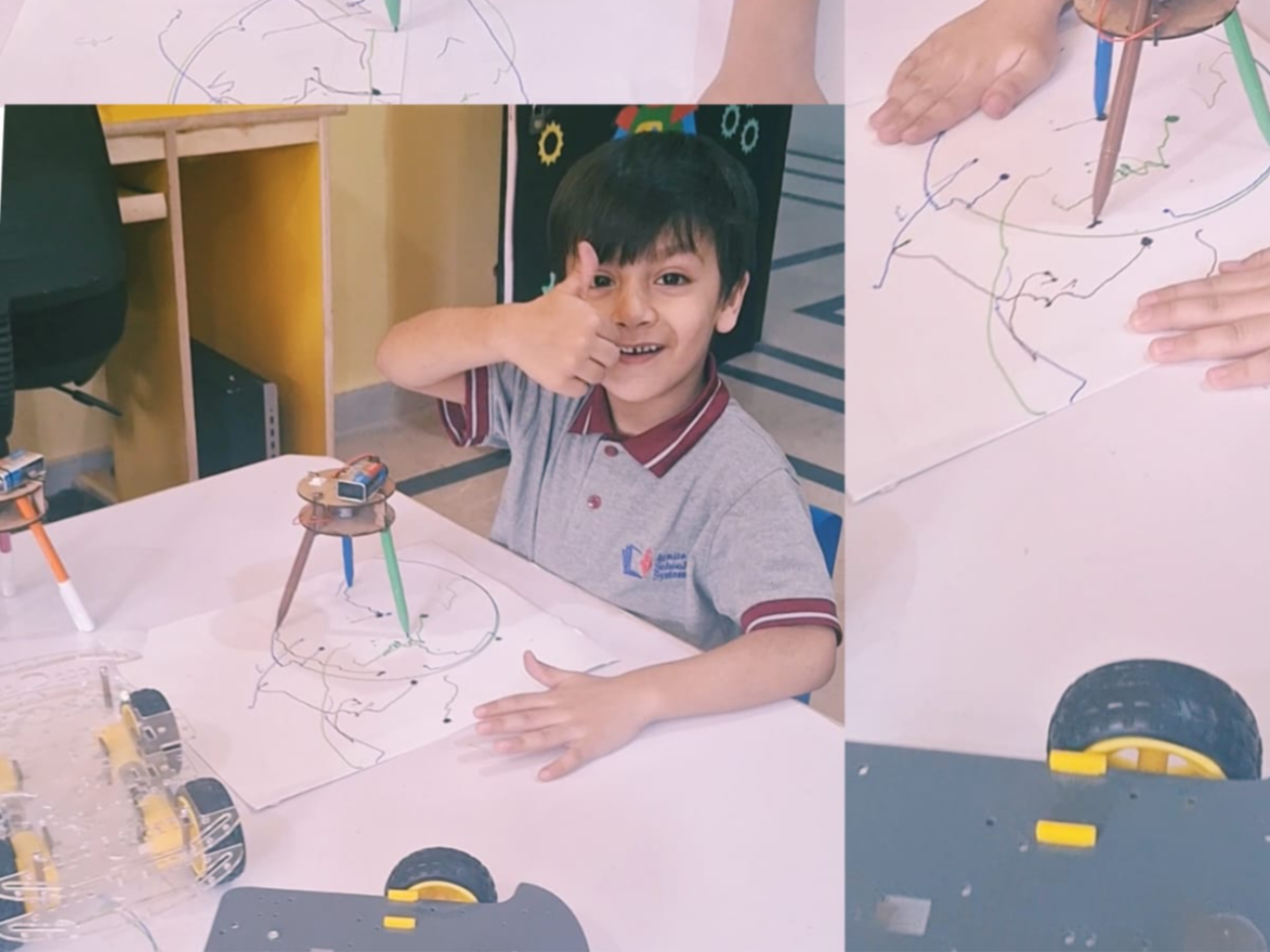
Importance of Co-Curricular Activities in School Education
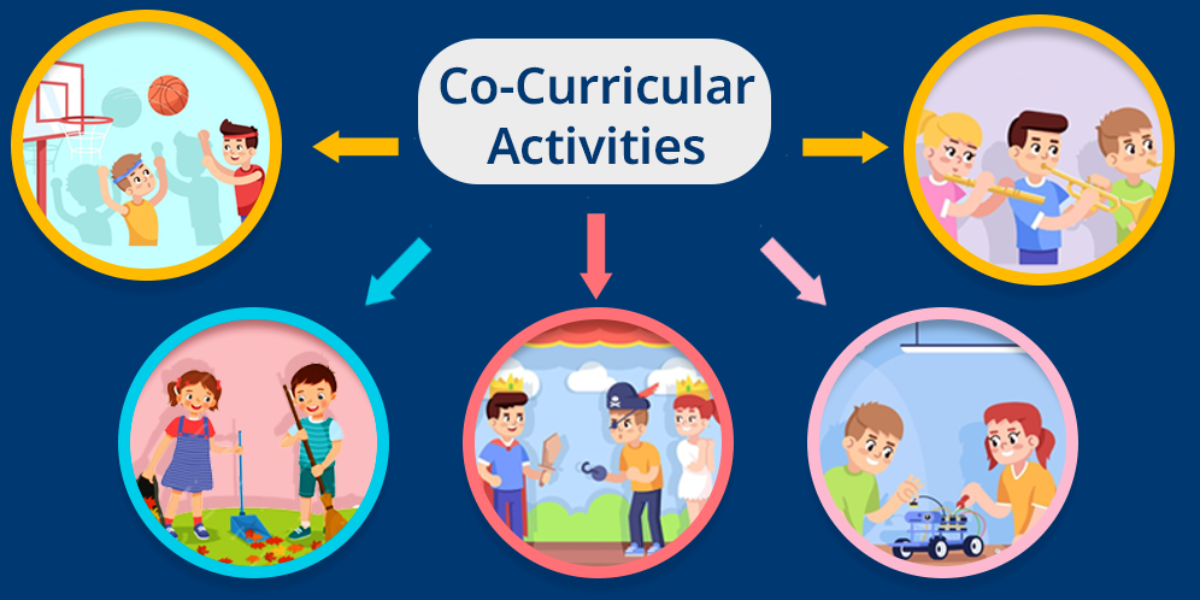
Education in the 21st century is no longer confined to textbooks, examinations, and classroom lectures. True learning extends far beyond the academic curriculum, encompassing all those experiences and activities that help shape a child’s personality, creativity, confidence, and teamwork. One of the most vital components of a holistic education system is co-curricular activities.
These activities complement classroom learning and play a fundamental role in a student’s intellectual, emotional, and social growth. Schools like Ignite School System understand that every child is unique, with distinct interests and talents that cannot always be measured through exams alone. Co-curricular programs provide the platform for students to explore, express, and excel beyond academics.
What Are Co-Curricular Activities?
Co-curricular activities (often called extracurricular activities) are structured, organized, and purposeful programs that run parallel to the academic curriculum. These include a broad range of pursuits such as sports, debating, drama, music, arts, science clubs, social work, leadership programs, and cultural festivals.
The term “co-curricular” itself highlights the idea that these activities are complementary to academic education, not separate from it. They support and enhance classroom learning, helping students to apply theoretical concepts in practical, creative, and collaborative ways. At Ignite School System, such activities are considered an integral part of the educational framework, nurturing students who are not just academically strong but also emotionally intelligent, socially responsible, and culturally aware.
Why Co-Curricular Activities Matter in Modern Education
Building Confidence and Self-Esteem
Students who participate in sports, debates, dramatics, or arts often develop a strong sense of confidence and self-worth. Standing on a stage, presenting an idea, or competing on the field teaches them to overcome fear and believe in their abilities.
When a child performs in front of an audience or contributes to a team’s success, they learn valuable life lessons about courage, resilience, and self-expression. Such confidence becomes a foundation for success in future professional and personal endeavors.
Encouraging Social Skills and Teamwork
In a co-curricular setting, students interact, collaborate, and communicate with peers, teachers, and even the community. Whether it’s a sports competition or a school exhibition, teamwork is at the heart of every successful effort. These interactions teach essential life skills, such as listening, empathy, respect, and cooperation. Students learn to celebrate diversity, handle conflicts, and value the strengths of others. In the long run, such experiences make them more adaptable and emotionally balanced individuals.
Enhancing Academic Performance
Interestingly, students who actively participate in co-curricular programs often show improved academic results. Activities such as debates, quizzes, and science clubs sharpen analytical and problem-solving skills, while arts and music enhance creativity and concentration.
Physical activities also improve health and mental well-being, which directly contributes to better focus and productivity in the classroom. At http://igss.edu.pk/, emphasis on holistic education ensures that every student finds a balance between studies and self-development through active engagement in various school-based programs.
Discovering Talents and Career Interests
Every student possesses hidden talents that may never emerge through traditional classroom education. Co-curricular opportunities help identify and nurture these innate abilities. A child who participates in the school’s literary club may discover a passion for writing. Another who enjoys robotics or coding competitions might pursue a career in technology. By giving students diverse opportunities, schools empower them to explore multiple paths and make informed career choices later in life.
Promoting Physical and Mental Well-being
Physical fitness is crucial for mental alertness and overall growth. Sports, yoga, and physical training sessions develop endurance, agility, and strength while reducing stress and anxiety. Beyond physical activity, creative outlets such as music, painting, and theatre act as emotional releases, helping students manage academic pressure. Such a balance between mental and physical engagement is vital for developing happy, motivated learners.
Cultivating Leadership and Responsibility
Leadership cannot be taught through theory alone; it is practiced, experienced, and earned. Co-curricular programs such as student councils, organizing committees, and volunteering groups provide real-life leadership experiences. When students take charge of organizing a school event or leading a team project, they learn responsibility, decision-making, and time management. These early lessons prepare them for leadership roles in higher education and professional life.
Encouraging Cultural Awareness and Community Spirit
In an increasingly globalized world, understanding and respecting different cultures is essential. Co-curricular activities like cultural festivals, language clubs, and social work projects teach students to appreciate diversity and practice inclusion. Through community outreach programs, students also learn empathy and the importance of giving back to society. Such values create not only successful professionals but also compassionate citizens.
Strengthening Time Management Skills
Balancing academics with co-curricular commitments teaches students to prioritize tasks, plan schedules, and use their time effectively. These skills are critical for managing the demands of modern education and future careers. Students learn discipline, understanding when to study, when to practice, and when to relax, which lays the foundation for a balanced and fulfilling life.
Fostering Creativity and Innovation
Creativity flourishes when students are given space to imagine, experiment, and express. Activities like art exhibitions, science fairs, or innovation clubs encourage them to think outside the box. This creative freedom often leads to the development of problem-solving skills and innovative thinking traits that are highly valued in the modern workforce.
Role of Schools in Promoting Co-Curricular Activities
Schools hold the responsibility of providing structured, inclusive, and well-balanced co-curricular programs. Institutions like Ignite School System ensure that every student has the opportunity to participate in multiple disciplines — from academic clubs and cultural performances to sports and community service. An ideal school environment:
- Encourages participation from all students, not just the academically strong.
- Provides proper infrastructure, guidance, and mentorship.
- Integrates co-curricular activities into the school timetable, making them a part of daily learning.
- Recognizes and rewards student achievements beyond academics.
This inclusive approach ensures that no child is left behind and that each student finds their own path to growth and fulfillment.
Co-Curricular Education: A Foundation for Future Success
In today’s competitive world, employers and universities seek well-rounded individuals who can lead, collaborate, and innovate. Academic knowledge is essential, but personal skills, such as communication, critical thinking, and adaptability, are equally important. By participating in co-curricular programs, students gain experiences that build these soft skills naturally. They learn to face challenges, manage failures, celebrate victories, and keep striving for excellence. As students of Ignite School System, young learners are not just prepared for exams, they are prepared for life.
Conclusion
The importance of co-curricular activities in school education cannot be overstated. They are not optional add-ons but essential pillars of a complete educational experience. They cultivate balanced, confident, and capable individuals who can think critically, act responsibly, and contribute positively to society. Schools like Ignite School System are redefining modern education in Pakistan by combining academic excellence with holistic personal development.
By promoting co-curricular engagement, http://igss.edu.pk/ stands as a beacon of innovation, preparing students not only to achieve but to inspire. Education is not just about learning facts; it’s about building character, nurturing talent, and shaping the leaders of tomorrow. And that journey begins the moment a child steps beyond the classroom.
Share on Social Media
Recommended For You






Readers Also Viewed These Articles
Categories
- blog
- Education
- News and Event
- General knowledge