How Modern Teaching Methods Are Shaping Future Leaders in Punjab

Education in Punjab is undergoing a major transformation, and it’s nothing short of inspiring. Gone are the days when classrooms relied solely on chalk-and-board teaching. Today, schools are stepping into a new era, one that emphasizes creativity, technology, and holistic growth.
And guess what? These shifts aren’t just improving student performance; they’re actively shaping the next generation of leaders. In a world that's evolving at lightning speed, modern teaching methods are now essential. They’re helping students adapt to real-life challenges while building the foundation for leadership, innovation, and future success.
Understanding Modern Teaching Methods
What Makes a Teaching Method Modern?
Modern teaching isn’t just about using computers in class. It’s a complete shift in mindset—one that puts students at the center of the learning process. These methods focus on creativity, collaboration, and critical thinking.
Core Features of Contemporary Learning
- Student-focused
- Practical and interactive
- Technology-driven
- Based on real-world applications
- Designed to help students think, not memorize
Technology-Driven Learning
Smart Classrooms
Many schools across Punjab have introduced smart classrooms equipped with projectors, digital boards, and multimedia tools. These setups make learning more engaging and visual.
Digital Learning Tools
From educational apps to gamified quizzes, tech tools help students learn faster and with more interest. They break down complex topics into fun, interactive modules.
E-learning Platforms and Hybrid Classrooms
Online learning portals give students the freedom to learn anytime, anywhere. Hybrid classrooms—where online and offline methods combine—are becoming the new normal.
Activity-Based and Experiential Learning
Hands-On Activities
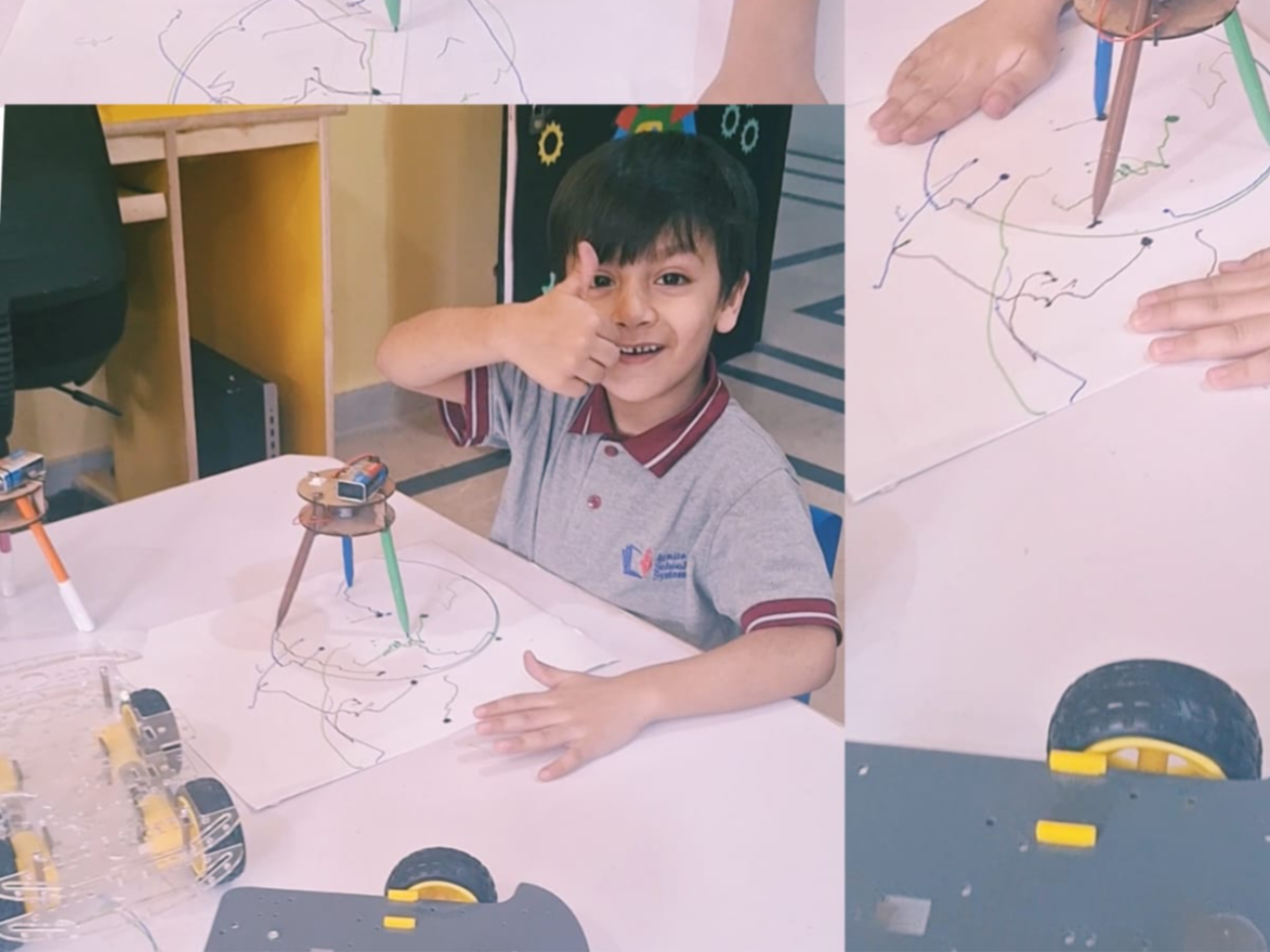
Instead of only listening to theory, students now perform experiments, build models, and work on practical tasks. This approach boosts creativity and strengthens understanding.
Field Trips and Real-World Exposure
Students travel to museums, farms, industries, and science centers to learn beyond textbooks. This real-world exposure helps them connect lessons with life.
Learning Through Projects
Project-based learning teaches students how to plan, research, create, and present—just like real leaders.
Collaborative Learning and Teamwork
Group Activities
When students work together, they learn to respect different ideas, solve problems, and communicate better.
Developing Leadership Through Collaboration
Every group needs someone to guide, organize, and lead. Modern teaching encourages leadership roles naturally through teamwork.
Skill-Based Education
Critical Thinking and Problem-Solving
Students are encouraged to ask questions, challenge ideas, and think deeply—skills every leader needs.
Communication and Social Skills
Debates, presentations, and group discussions boost confidence and help students express themselves clearly.
Creativity and Innovation
Rather than just memorizing facts, students are encouraged to imagine, innovate, and create new solutions.
Personalized Learning Approaches
Focus on Individual Student Strengths
Teachers now pay attention to each student’s unique abilities rather than treating every learner the same.
Custom Learning Paths
Some students learn fast; others take time. Modern teaching adjusts to the learner, making education more effective and enjoyable.
Role of Teachers as Mentors
Shifting From Teaching to Mentoring
Teachers no longer just deliver lessons they guide, support, and inspire students.
Encouraging Student Independence
Students learn to take ownership of their studies, solve problems on their own, and make confident decisions.
Impact on Students in Punjab
Increased Confidence
Modern teaching helps students believe in themselves and discover their potential.
Better Career Readiness
With practical lessons and skill-based learning, students become better prepared for future careers.
Growth of Leadership Qualities
Through creativity, collaboration, and communication, students naturally develop leadership traits.
Success Stories Across Punjab
Schools Adopting Modern Teaching
Several schools in Punjab are setting benchmarks by integrating digital learning, activity-based teaching, and skill development programs.
Students Excelling Through New Methods
Students exposed to innovative learning methods often perform better academically and show higher levels of confidence and initiative.
Challenges in Implementing Modern Teaching Methods
Limited Resources
Not all schools have access to digital devices and modern facilities.
Training Teachers
Modern education requires trained teachers who are comfortable with technology and new teaching styles.
Bridging the Digital Divide
Students in rural areas often lack internet access and digital tools.
The Future of Education in Punjab
Education Reforms
Punjab is focusing on improving school infrastructure, digital learning, and teacher training.
Vision for the Next Decade
In the next few years, Punjab aims to produce confident, capable, and future-ready leaders through innovative educational reforms.
Conclusion
Modern teaching methods are reshaping not just classrooms but the entire future of Punjab. By blending technology, creativity, collaboration, and personalized learning, schools are empowering students to become strong, confident leaders. These methods don’t just prepare students for exams, they prepare them for life. And as these young minds step into the world, they carry with them the skills and confidence to lead with vision and purpose.
FAQs
1. What are modern teaching methods?
These include technology-based learning, activity-driven lessons, collaborative work, and personalized learning strategies.
2. How are modern teaching methods helping students in Punjab?
They boost confidence, improve problem-solving skills, and prepare students for real-world challenges.
3. Why is technology important in today’s classrooms?
Technology makes learning interactive, accessible, and engaging.
4. How do modern methods develop leadership?
They encourage teamwork, communication, and independent thinking, core traits of effective leaders.
5. Can rural schools in Punjab adopt modern teaching methods?
Yes, with government support, digital initiatives, and community efforts, rural schools are gradually transitioning to modern learning tools.
Share on Social Media
Recommended For You








Readers Also Viewed These Articles
Categories
- blog
- Education
- News and Event
- General knowledge