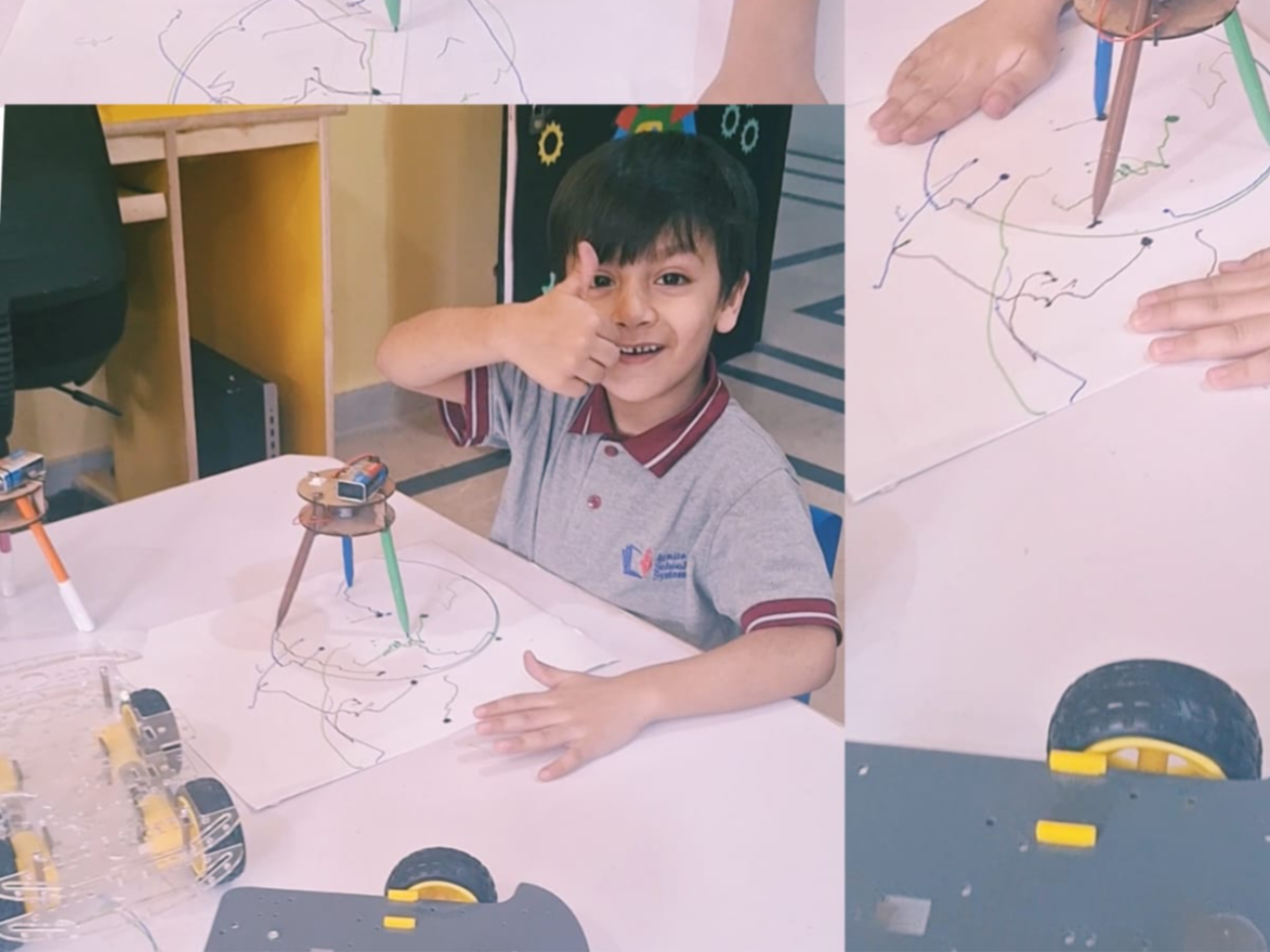
Why Early Childhood Education Builds a Strong Academic Foundation
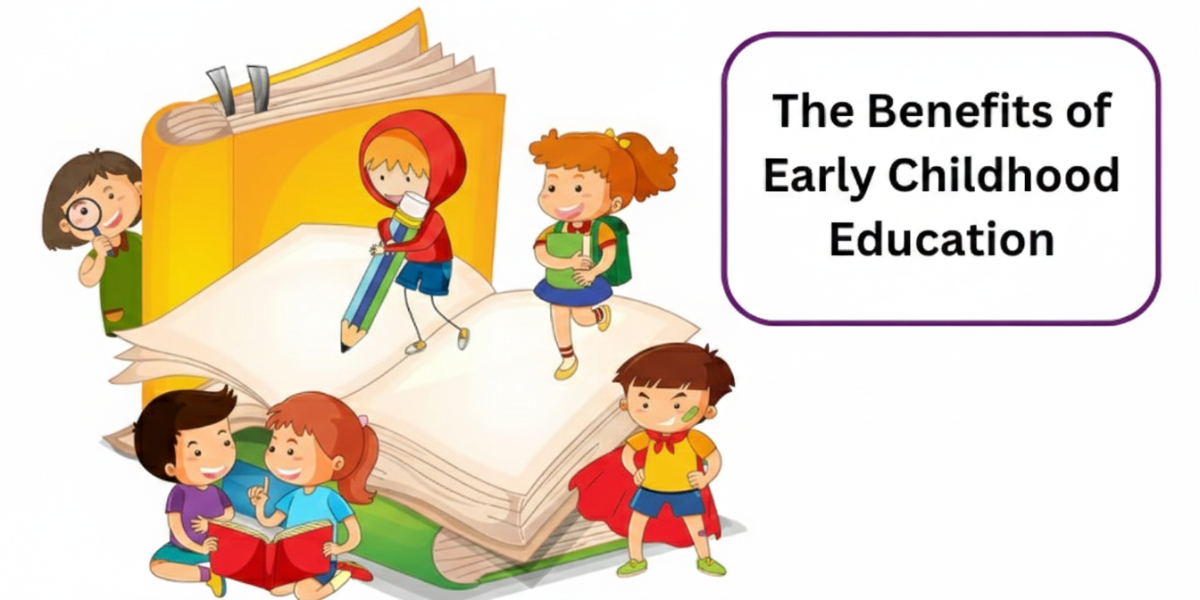
Education begins long before a child steps into formal schooling. The early years from birth to around age eight are a period of rapid brain development, emotional growth, and social learning. These formative years lay the groundwork for everything that follows, shaping not just how a child learns, but how they think, feel, and interact with the world.
Early childhood education (ECE) is therefore not merely about teaching numbers and letters; it’s about nurturing curiosity, creativity, confidence, and compassion. Institutions like Ignite School System understand the profound role that early education plays in building a strong academic foundation, setting children on the path to lifelong success.
Understanding Early Childhood Education
Early childhood education refers to the structured learning experiences and guided play that take place before formal schooling begins. It includes preschool, kindergarten, and early primary programs designed to stimulate intellectual, emotional, and physical growth.
ECE is seen as a vital stage in a child’s educational journey, one where teachers, caregivers, and parents collaborate to create an environment of discovery and development. The focus is not on rote learning, but on developing the fundamental building blocks of learning: language, logic, social interaction, and emotional intelligence.
Early Learning Shapes Brain Development
Scientific research confirms that more than 80% of brain development occurs before the age of five. During this time, neural connections form at an astonishing rate, influenced by a child’s surroundings, interactions, and experiences. High-quality early childhood education provides the stimulation needed to strengthen these neural pathways.
Activities such as storytelling, singing, problem-solving games, and creative play help improve memory, focus, and cognitive flexibility. In nurturing and interactive classrooms like those at Ignite School System, children’s natural curiosity is encouraged, leading to stronger comprehension and learning abilities later in life.
Development of Communication and Language Skills
One of the first and most important achievements of early education is language development. Young children learn best through conversation, songs, and storytelling, which expand their vocabulary and improve their listening skills. Teachers use engaging methods such as picture cards, phonics games, and interactive reading to make learning fun and effective.
These early literacy experiences ensure that children enter primary school ready to read, express ideas, and understand instructions clearly. Moreover, exposure to both verbal and nonverbal communication enhances social awareness, helping children express emotions appropriately and understand others.
Building Emotional Intelligence and Confidence
A strong academic foundation doesn’t come from knowledge alone; it stems from confidence, emotional balance, and motivation to learn. Early childhood education helps children develop self-awareness, empathy, and resilience. Through structured play and group activities, students learn to share, take turns, and manage conflicts. Teachers act as guides, helping children identify emotions and cope with challenges positively. At Ignite School System, educators pay close attention to emotional development because they know that a confident child is more likely to succeed academically and socially.
Developing Foundational Numeracy and Literacy Skills
Early education introduces children to basic concepts in language and mathematics in engaging, age-appropriate ways. Counting games, puzzles, rhymes, and drawing activities foster a love for numbers and words. This hands-on approach ensures children grasp fundamental skills such as pattern recognition, sequencing, and phonemic awareness all of which are essential for later reading and problem-solving. When these skills are introduced gradually and playfully, learning becomes a joyful habit rather than a burden.
Encouraging Curiosity and Creativity
Children are naturally curious. Early education nurtures that curiosity through exploration and discovery. Instead of memorization, children learn by observing, experimenting, and asking questions. Why does it rain? How do plants grow? Creative activities such as painting, building blocks, storytelling, and role-play inspire imagination and critical thinking.
These experiences encourage open-mindedness and problem-solving abilities that form the basis of advanced academic learning. At Ignite School System, early childhood programs are designed to let creativity flourish while connecting it to core learning objectives.
Promoting Social Skills and Teamwork
The preschool environment is often a child’s first structured social setting outside the home. It teaches them how to interact with peers, share materials, cooperate, and work in teams. These early social experiences are crucial for developing empathy, respect, and communication qualities that make future classrooms more harmonious and effective. Children who learn to collaborate at a young age are more likely to become confident communicators and strong leaders in their academic and professional lives.
Establishing Discipline and Positive Learning Habits
One of the overlooked benefits of early childhood education is that it instills discipline and structure. Children learn to follow routines, listen to instructions, complete tasks, and respect authority, all vital skills for later schooling. Teachers at Ignite School System create a gentle yet consistent environment where children learn the importance of responsibility, punctuality, and perseverance. By learning to balance play and study, children develop time management skills that serve them well in higher grades and beyond.
Strengthening the Home-School Connection
Parents are a child’s first teachers, and early childhood programs work best when parents and educators collaborate. Regular communication between home and school ensures that learning is consistent, supportive, and holistic. Workshops, parent-teacher meetings, and shared activities allow parents to understand developmental milestones and reinforce lessons at home. This partnership builds trust and continuity, giving the child a stable learning environment, one that promotes both emotional security and academic achievement.
Preparing for Lifelong Learning
Early education does more than prepare children for school; it instills a love of learning that lasts a lifetime. Children who enjoy learning early on approach education with enthusiasm rather than fear. By fostering curiosity, perseverance, and self-confidence, early childhood programs lay the foundation for lifelong academic success and personal growth. As education evolves, it’s clear that those who receive strong early learning experiences are better equipped to adapt, innovate, and thrive in a rapidly changing world.
Contribution to National Educational Goals
At a broader level, early childhood education supports national development. When children begin school prepared and confident, they perform better, repeat fewer grades, and are more likely to complete higher education. For a developing country like Pakistan, investing in early education means investing in the future workforce, one that is educated, skilled, and capable of driving economic and social progress. Institutions such as Ignite School System are contributing to this mission by ensuring every child receives the best possible start.
Why Early Education Is the Core of Academic Success
It’s easy to underestimate the importance of those early years, but they are truly the foundation stones of all learning. A strong base ensures that, as academic demands increase, the structure above it remains stable. Children who experience early education are better prepared for the challenges of formal schooling.
They show improved attention spans, emotional control, and academic readiness compared to those without such exposure. This foundation not only supports literacy and numeracy but also fosters adaptability, creativity, and problem-solving, essential traits for success in the 21st century.
Conclusion
Early childhood education is not just the first step of learning; it is the most important step. It shapes how children think, behave, and perceive the world around them. It builds the habits, values, and curiosity that lead to lifelong academic and personal success. At Ignite School System, every child’s early learning journey is carefully crafted to ensure holistic development.
Through nurturing teachers, safe environments, and innovative teaching methods, it empowers children to become confident, creative, and capable learners. When we invest in early education, we invest in a brighter, stronger, and more intelligent future. Because every great mind begins with a curious child, and every strong academic foundation begins with early childhood education.
Share on Social Media
Recommended For You









Readers Also Viewed These Articles
Categories
- blog
- Education
- News and Event
- General knowledge