Top Education Trends in Pakistan’s School System for 2025
Education in Pakistan is experiencing a transformative shift as schools move toward innovation, technology, and more effective learning practices. With global educational trends influencing local systems, 2025 is expected to be a groundbreaking year. Schools are no longer confined to traditional chalk-and-board methods; instead, they’re embracing digital tools, student-centered learning, and future-ready skills.
Need for Modernization
The world is evolving fast, and Pakistan’s education system must keep pace. Modernization is necessary to equip students with relevant skills for future careers, technological advancement, and global competition.
Impact of Technology and Global Standards
Globalization has inspired Pakistani schools to upgrade teaching methods, curricula, and assessment systems. Technology is playing a major role in bringing international standards closer to local classrooms.
Digital Learning Ecosystems
Smart Classrooms
Smart boards, digital projectors, tablets, and interactive learning tools are becoming the norm. These tools help create engaging lessons that boost student participation and improve understanding.
E-learning Platforms
Schools are increasingly adopting LMS (Learning Management Systems), video-based lessons, and online resources. These platforms support remote learning and give students access to global educational content.
Adoption in Urban and Rural Schools
Urban schools lead the shift, but rural schools are catching up thanks to government initiatives and low-cost EdTech apps.
STEAM-Based Education
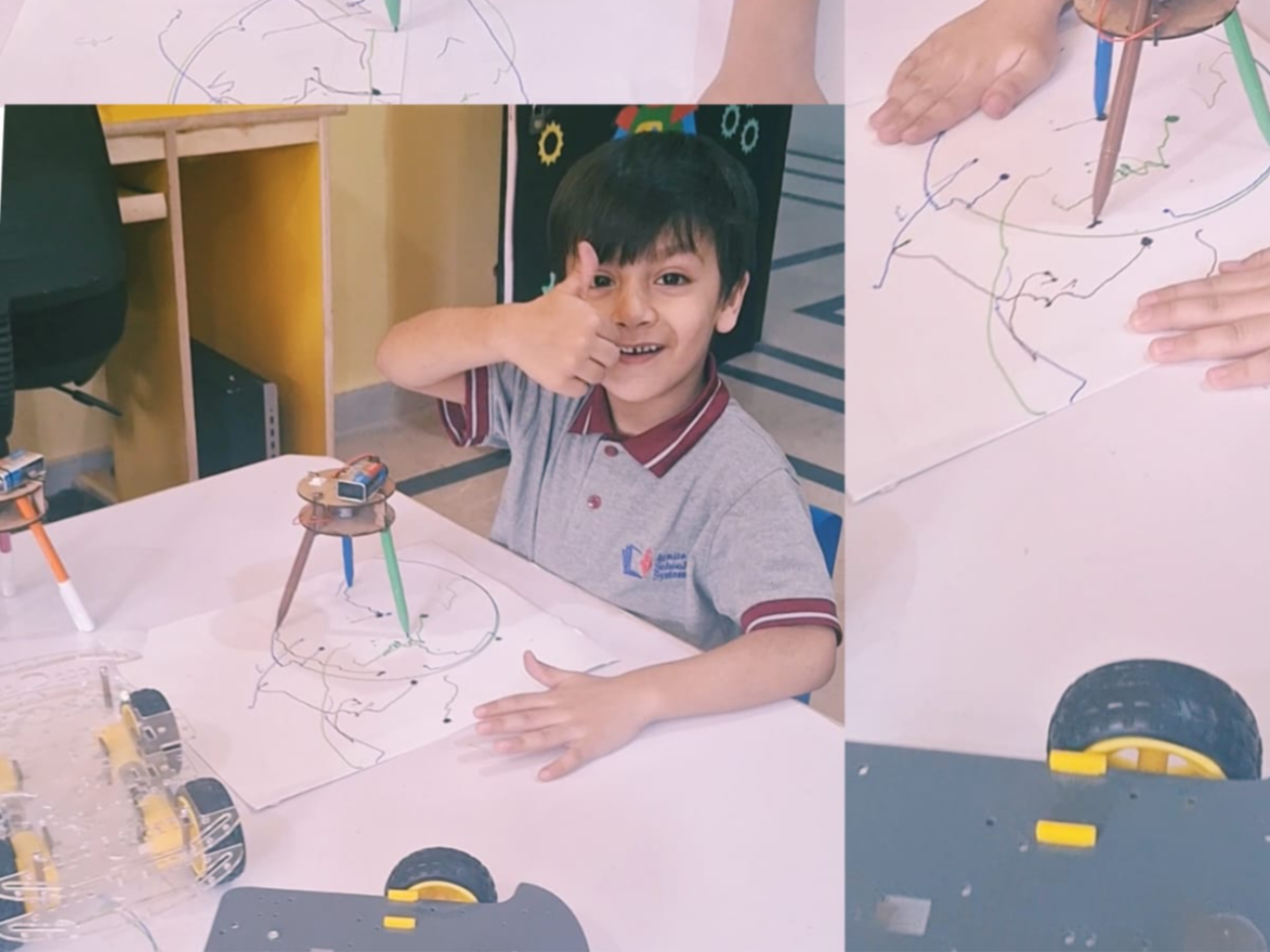
Integration of Science, Technology, Engineering, Arts & Mathematics
STEAM education is gaining popularity because it blends creativity with science and technology—skills crucial for future jobs.
Hands-on Project Learning
Students are encouraged to build, create, experiment, and innovate. This develops curiosity and problem-solving skills.
Benefits for Future Careers
STEAM prepares students for fields like robotics, AI, engineering, and design, all of which are in high demand worldwide.
Personalized and Adaptive Learning
AI-Powered Learning Tools
Tools powered by artificial intelligence allow students to learn at their own pace. These tools analyze performance and suggest improvements.
Data-Driven Student Assessment
Instead of relying only on exams, schools now use data analytics to track learning progress and identify gaps.
Customized Learning Paths
Each student gets a personalized roadmap, helping them overcome weaknesses and grow in areas where they shine.
Skill-Based and Competency-Focused Curriculum
Shifting from Memorization to Practical Skills
The old “ratta system” (memorization) is fading as schools focus more on skill-building activities and practical knowledge.
Development of Critical Thinking and Creativity
Curriculum updates emphasize real-world applications, problem-solving, teamwork, and creativity—skills essential for 21st-century success.
Mental Health and Student Well-Being Programs
Counseling Support
Schools are hiring trained counselors to guide students through academic pressure, personal issues, and emotional challenges.
Emotional Intelligence Education
Students learn empathy, communication, conflict resolution, and emotional management.
Stress-Management Initiatives
Mindfulness exercises, extracurricular programs, and relaxation periods are being introduced to reduce stress.
Teacher Training and Professional Development
Use of Digital Teaching Tools
Teachers are being trained to use smart devices, online tools, and digital content to enhance classroom learning.
Continuous Learning for Educators
Workshops, certifications, and online courses are becoming mandatory, helping teachers stay updated with modern teaching trends.
Inclusive and Accessible Education
Support for Students with Special Needs
Schools are improving accessibility through trained staff, inclusive classrooms, and assistive technology.
Bridging Urban-Rural Gaps
Efforts are being made to distribute resources evenly so students in rural areas also receive quality education.
Environmental and Sustainability Education
Green School Practices
Schools are adopting recycling, energy-saving measures, and eco-friendly infrastructure.
Climate Awareness Programs
Students learn about environmental issues, sustainability, and the importance of protecting the planet.
Strengthening Parent-School Partnerships
Digital Communication Channels
Online portals, apps, and messaging systems help parents stay updated on their children’s academic performance.
Parental Involvement in Learning
Workshops, meetings, and events encourage parents to support their children’s education actively.
Rise of EdTech Startups in Pakistan
Affordable Learning Solutions
Local EdTech companies offer low-cost apps, educational games, and digital books accessible to students nationwide.
Virtual Tutoring and Testing Tools
Online tutoring and exam-preparation platforms provide flexible learning options beyond the classroom.
Conclusion
Pakistan’s school system is entering a new era of innovation, accessibility, and digital transformation. The education trends of 2025 highlight a shift toward modern technology, personalized learning, and skill development—ensuring that today’s students become tomorrow’s capable leaders. As schools continue to evolve, the future of education in Pakistan looks brighter, smarter, and more inclusive than ever.
FAQs
- What is the biggest education trend in Pakistan for 2025?
Digital learning and smart classrooms are among the top trends.
- Why is STEAM education important?
It prepares students for future careers by blending creativity with technology and science.
- How are schools supporting mental health?
Through counseling, emotional intelligence classes, and stress-relief programs.
- What role does AI play in education?
AI helps personalize learning and improve student performance through data insights.
- Are rural schools improving?
Yes, thanks to government support and EdTech accessibility, rural education is steadily advancing.
Share on Social Media
Recommended For You



Readers Also Viewed These Articles
Categories
- blog
- Education
- News and Event
- General knowledge